
Inka Hodes, Licensed Massage Therapist & Ayurvedic Body Therapist
Meet Inka
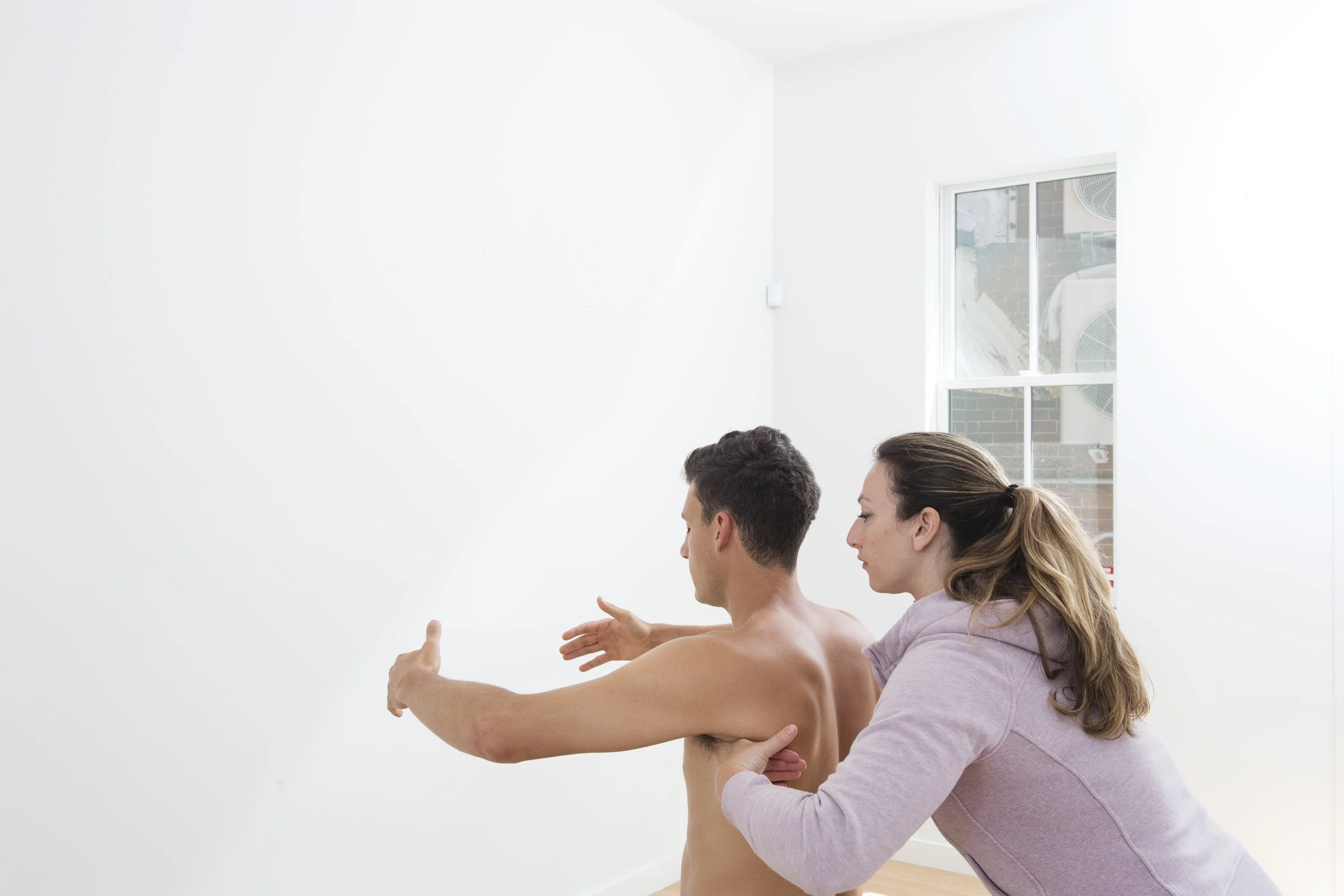
Inka offers a deeply integrative approach to bodywork that blends structural integration and massage therapy to restore balance, ease pain, and improve posture.
Drawing on a global background in manual therapy and Ayurveda, she supports nervous system regulation and embodied awareness, helping clients find greater vitality, harmony, and freedom in their bodies.
Offerings:
Ayurvedic (Abhyanga & Swedana) Session
Structural Integrative (Rolfing) Bodywork Session
“Inhabit the body you live in.” ~ Inka
Inka’s Offerings at EPHH
Structural Integrative (Rolfing) Bodywork Session
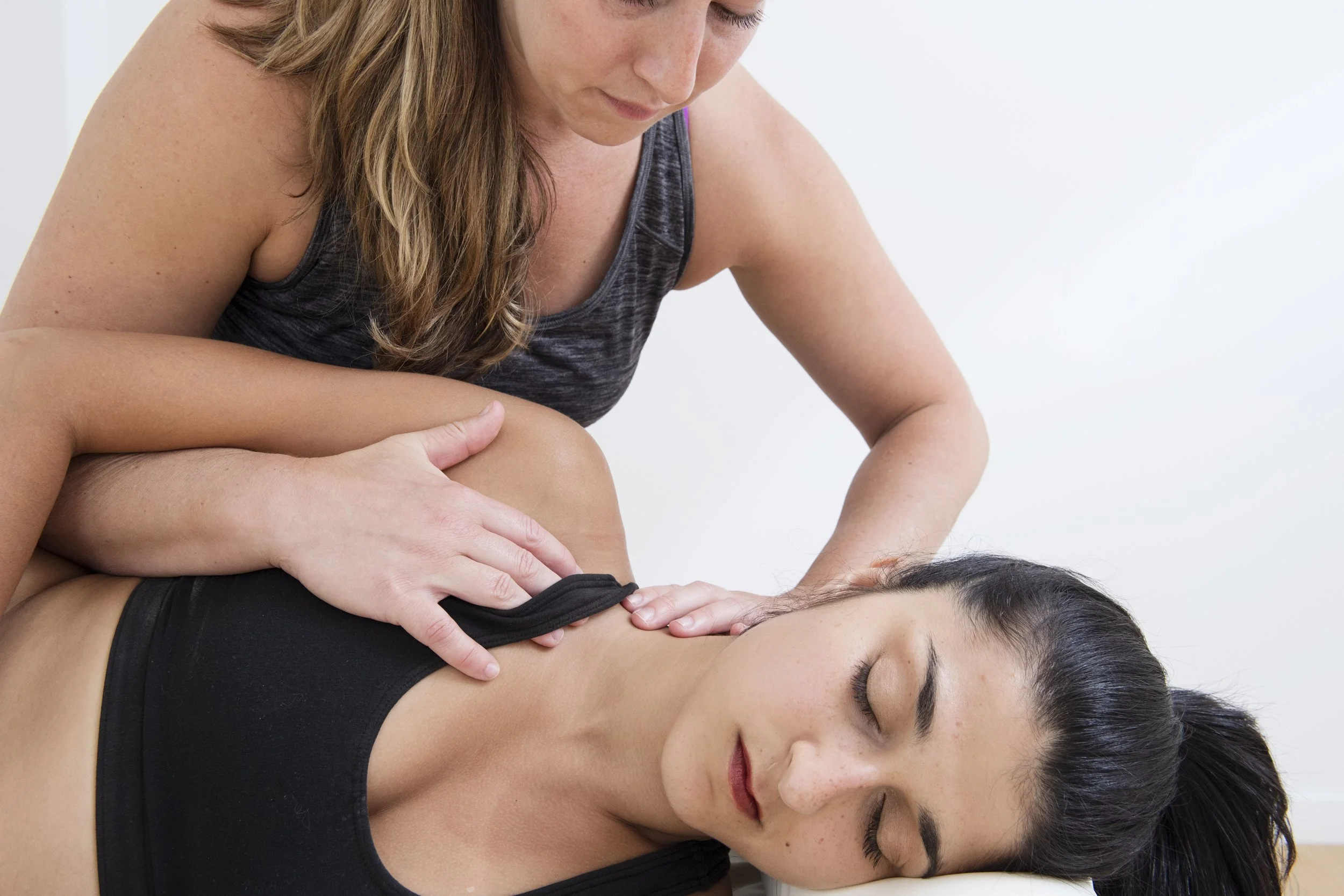
Structural Integration is a therapeutic deep tissue style of bodywork that aims to relieve chronic tension in the fascia and muscles. At the center of SI is the fascial web- the living matrix that holds your body together. Fascia is a continuous connective network that surrounds and links muscles, joints, organs, nerves, and bones, shaping how you move and feel in your body.
Using slow, intentional, and precise pressure, SI works to soften, hydrate, and reorganize restricted fascia. As the connective tissue regains elasticity and glide, the body can release long-held tension and rediscover more balanced movement.
Ayurvedic (Abhyanga & Swedana) Session
Ayurveda is an ancient holistic system of health and healing that originated in India over 5000 years ago. The word Ayurveda means “the science of life” and its focus is not just on treating illness, but on cultivating balance, vitality, and long-term well-being.
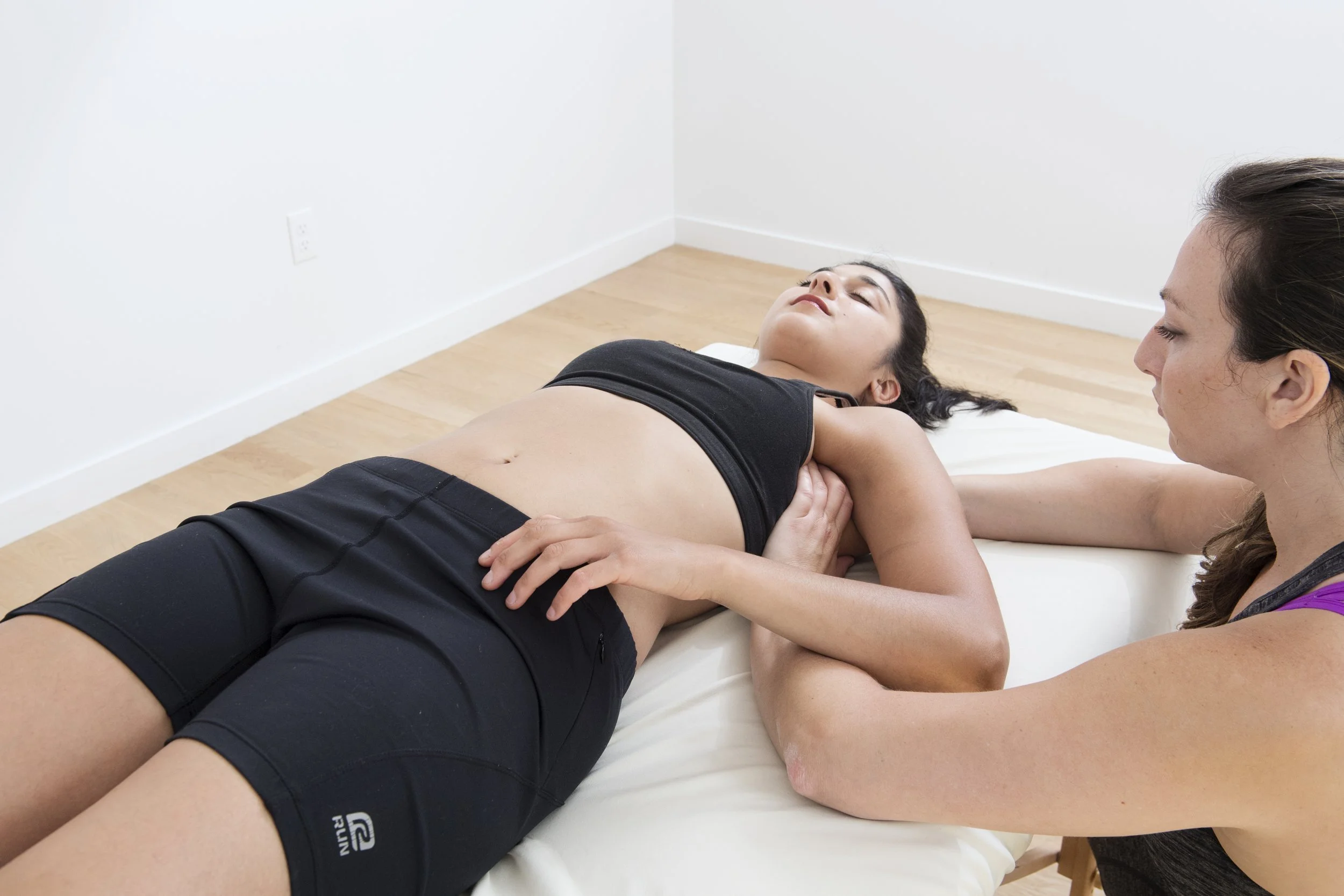
Abhyanga is a deeply nourishing Ayurvedic oil massage that uses warm, herbal oils tailored to your individual constitution. Performed with long rhythmic strokes, Abhyanga works to calm the nervous system, lubricate the joints, soften the tissues, and support the body’s natural detoxification process. Abhyanga and Swedana invite the body into rest, repair, and renewal.
The session begins with a brief intake to understand your needs and intentions. When included, Swedana therapy is a traditional Ayurvedic heat therapy designed to gently induce sweating in order to release toxins, soften tissues, and prepare the body for deeper healing.
Learn More About Inka
-
Inka is a Licensed Massage Therapist (LMT) and a Certified Structural Integrator with over 10 years of experience in Anatomy Trains Structural Integration. She specializes in therapeutically addressing pain and postural imbalances through the myofascial and neurovascular systems of the body — combining her expertise in the body’s anatomical structure with a deep understanding of its complex energetic patterns that are often overlooked in modern medical practice.
She has been a member of the International Association of Structural Bodywork (IASI) since 2014 and has traveled all over the globe studying, apprenticing, and teaching with some of the most respected teachers in bodywork and manual therapy.
Inka is also a trained Ayurvedic Body Therapist. With a lifelong passion for holistic healing and mental health, she is dedicated to helping her clients live their most vibrant and joyful lives by restoring balance and harmony within their bodies.
Inka offers private sessions, workshops, and retreat facilitation, designed to provide a full nervous system reset, supporting the body with nervous system regulation, increased body awareness, and reducing chronic pain and tensions. Her mission is to support others in finding balance, vitality, and freedom in their bodies.
-
Education
B.A. Psychology, Boston University
Structural Integration Certification, Tom Myers Anatomy Trains
Licensed Massage Therapist, Swedish Institute
Credentials
Ayurvedic Counselor Program, Madhya Way — Current
Empowered Performance- Intensive on movement and breath biomechanics — 2025
Foundations of Ayurveda 200hrs - Kripalu — 2025
Ayurvedic Body Therapies at Ayumind (9 month apprenticeship) — 2024
Postural Restoration Institute — 2019
Immaculate Dissection — 2018
NKT — 2017
Visceral Manipulation — 2016
Anatomy in Motion - Foot and gait mechanics intensive — 2015
Nerve and Artery Mobilization — 2014
-
What Does a Structural Integration Session Look Like?
A Rolfing session is a hands-on, interactive bodywork experience focused on improving how your body is organized, moves, and relates to gravity.
1. Check-In & Movement Observation
Your session begins with a brief conversation about how your body feels, what’s been bothering you, and your goals. The practitioner may observe your posture or ask you to walk or move to see how your body patterns itself.
2. Hands-On Fascial Work
You’ll lie on a massage table (sometimes seated or standing) while the practitioner works directly with your fascia, the connective tissue that surrounds and supports muscles, bones, and organs.
Touch is typically slow, specific, and intentional, designed to soften restrictions and restore glide and balance in the tissues.
Pressure is adjusted to your comfort level and may feel deep at times, but it’s never meant to be overwhelming. Communication is encouraged throughout.
3. Movement & Awareness
Rolfing is not passive massage. You may be asked to:
• Breathe in certain ways
• Gently move a limb
• Notice sensations or patterns
This helps your nervous system integrate changes and supports more efficient movement.
4. Structural Integration
Each session works with different regions of the body while considering the whole-body system. The goal isn’t just symptom relief, it’s to help your body reorganize so it moves with greater ease, balance, and support over time.
5. Integration & Aftereffects
After the session, many people feel:
• More spacious or upright
• Lighter and more grounded
• A shift in posture or movement awareness
Some changes are immediate, while others continue to unfold over days as your body adapts.
What to Wear
Clients usually wear comfortable, stretchy clothing (like yoga wear or athletic shorts and a tank). Direct skin contact may be used at times, and other times over the clothes.
Book with Inka
Book an appointment or consultation with Inka today!